RSS
RSS
Quicklinks
WholeFoods Magazine

Overcoming Obstacles to an Agile Food Supply Chain
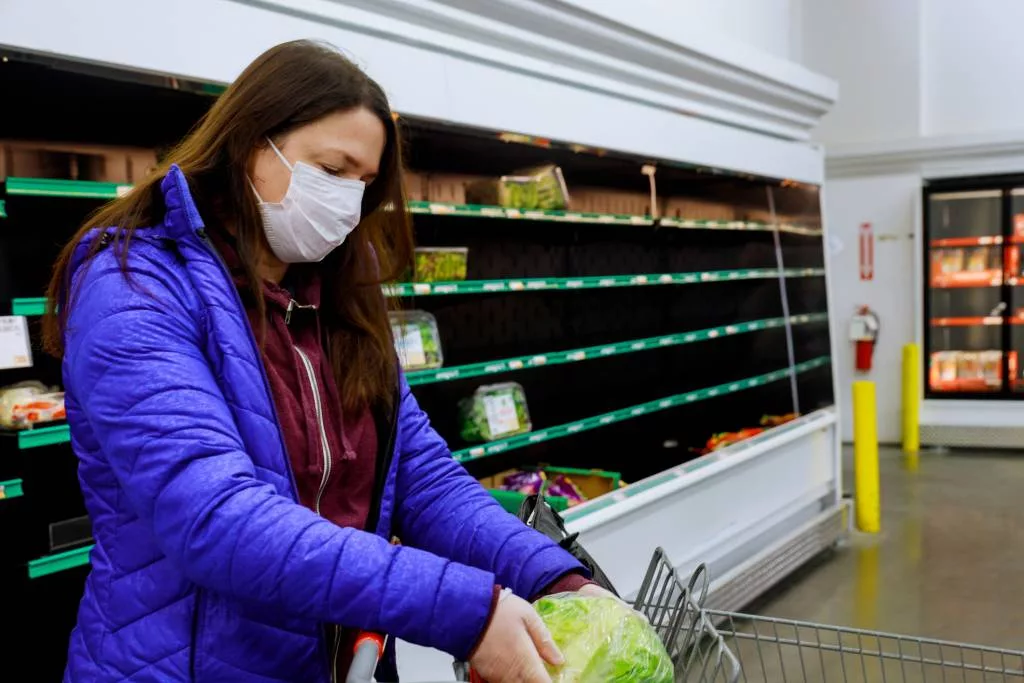
As the COVID-19 pandemic exploded in the U.S. over the spring, weak points in our food supply chain became all too obvious. Bottlenecks and shortages became alarmingly common in the early days of the health crisis, despite the fact that the nation was still awash in food.
Many wholesalers who were accustomed to selling 80-lb boxes of beef or bulk potatoes to their food-service customers struggled to pivot their business to provide consumer-friendly packaging in smaller portions. As restaurants, hotels, and school cafeterias shut down, crops rotted in the fields; farm animals were euthanized. It was enough to make a grown farmer cry.
Here at FoodMaven, our mission is to reduce food waste by creatively addressing supply-chain challenges. Whether it’s selling imperfect potatoes to restaurants for French fries or creating markets for the products of small, local farmers, we’ve been providing our food-service customers at restaurants, universities and other institutions with nutritious, high-quality food that might otherwise go unused. When we saw less demand from our food-service customers, we also saw an increase in demand from independent grocery retail and directly from consumers, even for bulk packaged food.
The pandemic isn’t over, of course, and we might well be heading into a second wave this autumn. It’s hard to say anything good about a virus that has killed more than 200,000 people in the U.S. alone and caused massive disruptions to the national and global economy. But the pandemic has nonetheless provided us a valuable, real-life lesson in what could—and did—go wrong and how we can effectively plan ahead for the next emergency.
To achieve a truly agile food supply chain that is flexible enough to respond to shifting supply-demand scenarios, the food industry faces the following obstacles:
Addressing these three obstacles could make a significant difference in creating a more agile responsive food system, one that is flexible and adaptive to unexpected disruptions and keeps food waste to a minimum.
The future holds many challenges, in particular, feeding the world’s burgeoning population, projected to reach 9 billion by 2050. We can’t ensure food security by letting so much valuable nutrition go to waste. Facing our food system’s vulnerabilities is more important now than ever. Let’s get to work.
Many wholesalers who were accustomed to selling 80-lb boxes of beef or bulk potatoes to their food-service customers struggled to pivot their business to provide consumer-friendly packaging in smaller portions. As restaurants, hotels, and school cafeterias shut down, crops rotted in the fields; farm animals were euthanized. It was enough to make a grown farmer cry.
Here at FoodMaven, our mission is to reduce food waste by creatively addressing supply-chain challenges. Whether it’s selling imperfect potatoes to restaurants for French fries or creating markets for the products of small, local farmers, we’ve been providing our food-service customers at restaurants, universities and other institutions with nutritious, high-quality food that might otherwise go unused. When we saw less demand from our food-service customers, we also saw an increase in demand from independent grocery retail and directly from consumers, even for bulk packaged food.
The pandemic isn’t over, of course, and we might well be heading into a second wave this autumn. It’s hard to say anything good about a virus that has killed more than 200,000 people in the U.S. alone and caused massive disruptions to the national and global economy. But the pandemic has nonetheless provided us a valuable, real-life lesson in what could—and did—go wrong and how we can effectively plan ahead for the next emergency.
To achieve a truly agile food supply chain that is flexible enough to respond to shifting supply-demand scenarios, the food industry faces the following obstacles:
- PERISHABILITY By its very nature, fresh food is highly perishable, and it’s paramount that the supply chain efficiently gets the product to market. The food business doesn’t lend itself to quick adjustments when conditions throw supply and demand off balance. In the textile industry, suppliers can slow down manufacturing and work off of existing inventory if demand dips significantly. In food and agriculture, producers must be prepared to freeze or otherwise process a product to maintain its quality. Finding a nearby processor may be difficult, particularly in times of crisis. But having access to processors that can extend the life of a product can help ensure a product is eaten and not thrown away.
- TRANSPARENT DATA: To anticipate glitches in the supply chain, both producers and wholesalers would benefit from access to more transparent data. For the most part, that’s not happening on either the supply or demand side. Producers don’t share their information routinely, and often the market doesn’t know how much of any product will get to its final destination. From the supply side, it’s not much better. Aside from major holidays when retailers know, for example, that the demand for turkeys will surge, it’s not easy to predict how much buyer demand there will be. It’s a perfect storm for situations like the COVID-19 lockdowns, which dramatically shifted the supply-demand paradigm.
- SPECIALIZATION AND CENTRALIZATION: Supply chains have grown so specialized and rigid that it’s difficult to quickly pivot and change your distribution strategies. Centralization of production poses unique challenges. Consider that 98% of all leafy greens are grown and processed in the Yuma, Arizona and Salinas, California regions. If the supply chain is disrupted because of a pandemic or a wildfire, that means the entire nation feels the pain.
Addressing these three obstacles could make a significant difference in creating a more agile responsive food system, one that is flexible and adaptive to unexpected disruptions and keeps food waste to a minimum.
The future holds many challenges, in particular, feeding the world’s burgeoning population, projected to reach 9 billion by 2050. We can’t ensure food security by letting so much valuable nutrition go to waste. Facing our food system’s vulnerabilities is more important now than ever. Let’s get to work.
Recommended For You
Latest Publication
June/July 2026
2026 Deep Dive Active Nutrition Market

2026 Deep Dive Cardiovascular Health
May 2026