RSS
RSS
Quicklinks
WholeFoods Magazine

Synbiotics in HPV and Cervical Cancer Hold Promise
By Clare Fleishman, MS, RD
As with other viral infections like the cold and flu, HPV is cleared by the body’s immune system. More than 90% disappear within 2 years.
Our collection of viruses—coined the “virome”-- is part of the larger microbiome. These viruses receive far less attention because they are more difficult to study and identify. But they are every bit as harmful to human health.
Given that mankind hasn’t yet tamed the cold or flu viruses, it was a remarkable discovery that HPV is the main cause of cervical cancer. Just a few decades ago, a German virologist named Harald zur Hausen was awarded the Nobel Prize for linking the two. Thanks to him and the resultant push for PAP screenings and a vaccine, cervical cancer numbers have dropped dramatically. But in developing countries where neither may be accessible, the virus too often goes undetected until advanced cancers prove fatal. More than 85 % of cervical cancer deaths occur in developing countries.
An excellent account of that evidence from Anita Mitra of Imperial College in London and her colleagues appeared in Microbiome journal: The vaginal microbiota, human papillomavirus infection and cervical intraepithelial neoplasia: what do we know and where are we going next?
Female lifestyle factors can also alter risk. Smoking cigarettes, a harmful antecedent to many disorders, is associated with less L. crispatus and more diversity. Recent intercourse is linked with reduced relative abundance of L. crispatus and increased species diversity. Contraceptives (oral or IUD) with hormones, on the other hand, are linked with less bacterial vaginosis (BV). Douching, a common practice in many cultures, increases BV and risk of HPV. Douching may increase the risk of cervical cancer.
Indeed, celibate woman have fewer worries. Cervical cancer in nuns is almost zero whereas women with many sexual partners may need more than prayers.
And on the flip side, compared with those with low grade neoplasia, women with high-grades hosted lower levels of Lactobacillus jensenii and higher amounts of Sneathia sanguinegens, Anaerococcus tetradius and Peptostreptococcus anaerobius.
Another pattern associated with a higher risk of cervical intraepithelial neoplasia (CIN): copious Atopobium vaginae L. iners and Gardnerella vaginalis (G. vaginalis) and a scarcity of L. crispatus.
Vaginal microbiome is more complicated than originally thought.
Disturbingly, species from the very same Lactobacillus genus, L. iners and L. crispatus, play opposite roles in cervical carcinogenesis. L. iners shows up in high-risk HPV infections. Caution must be used in formulating products as well as in making broad conclusions.
Other lactobacilli, including L. gasseri, L. jensenii and L. crispatus, reside conspicuously on the healthier part of the equation. These bacteria produce antimicrobial substances such as hydrogen peroxide, lactic acid and bacteriocins. They also compete with pathogens and form barriers to prevent colonization and adherence of pathogens, all good stuff.
Important too are prebiotics, including the fructo-oligosaccharide (FOS) and gluco-oligosaccharide (GOS) families which promote growth of L. crispatus, L. jensenii and L. vaginalis in vitro but not Candida albicans, Escherichia coli or G. vaginalis.
Intravaginal applications of GOS have shown promise in bacterial vaginosis. Optimum delivery regarding synbiotics including gut-vaginal transmission data will require more research.
It appears that fortifying the vaginal microbiome against HPV with synbiotics would be a safe and cheap way to protect the reproductive health of women. More research should get us there.
Many contend the reach into clinical solutions is not coming fast enough.
Canadian researcher Gregor Reid spoke out about lack of progress in vaginal health applications in a 2018 review titled: “Has knowledge of the vaginal microbiome altered approaches to health and disease?” Reid writes that “Calls for innovation have been made before but to little avail.”
Perhaps vaginal health needs a #MeToo crusade.
The International Probiotics Association (IPA) is a global non-profit organization bringing together through its membership, the probiotic sector’s stakeholders including but not limited to academia, scientists, health care professionals, consumers, industry and regulators. The IPA’s mission is to promote the safe and efficacious use of probiotics throughout the world. Holding NGO status before Codex Alimentarius, the IPA is also recognized as the unified “Global Voice of Probiotics®” around the world.
Clare Fleishman MS RD bridges the gap between science and health across most platforms: major newspapers, magazines, books (Globesity), workshops, social media and websites. From corporate whiteboards to refugee schools in Egypt, Fleishman agitates for personal and public change. In 2010, she launched www.ProbioticsNow.com to share the cascade of new discovery in the microbiome. Always amazed at this “forgotten organ” Fleishman also creates white papers, blogs, videos and social media for the International Probiotics Association.
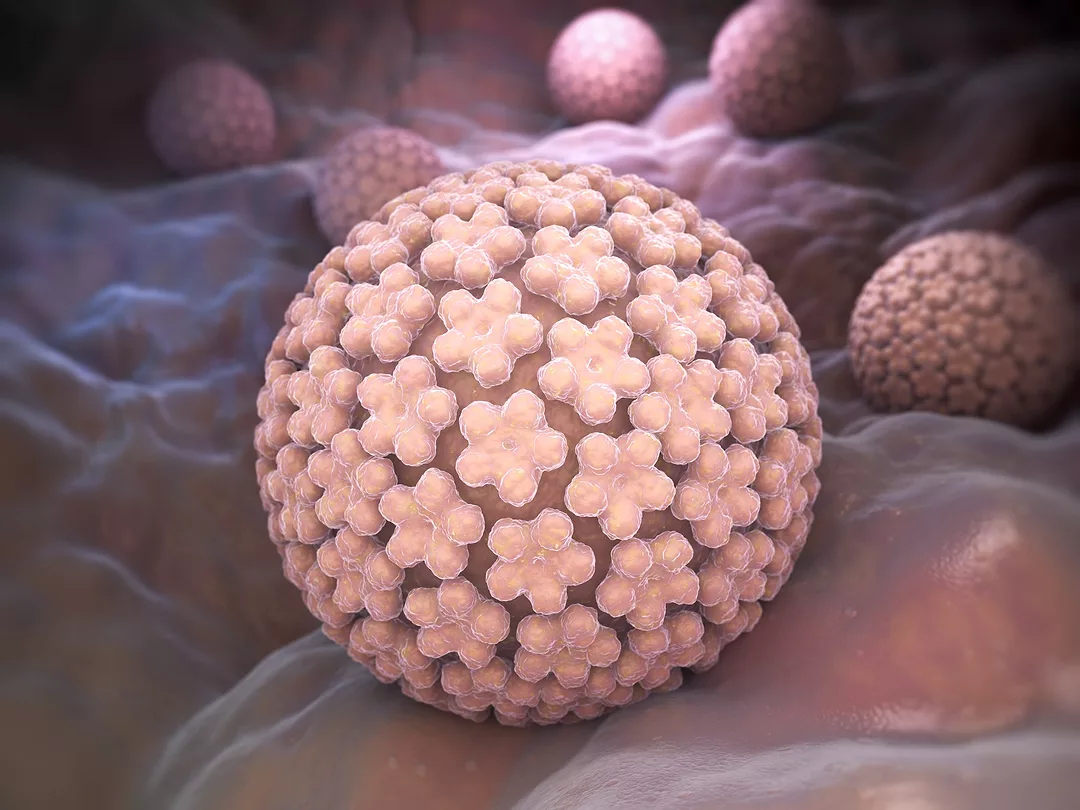
The human papillomavirus (HPV) is not shy.
Most sexually active people will host HPV sometime in their lives.As with other viral infections like the cold and flu, HPV is cleared by the body’s immune system. More than 90% disappear within 2 years.
HPV and cervical cancer
The party ends if they linger: the nasty types (HPV-16 and 18) are responsible for most of the half billion new cases of cervical cancer each year. HPV can also cause other types of anogenital cancers as well as head and neck cancers in both men and women. Not exactly an aphrodisiac, HPV infections are transmitted through sexual contact.Our collection of viruses—coined the “virome”-- is part of the larger microbiome. These viruses receive far less attention because they are more difficult to study and identify. But they are every bit as harmful to human health.
Given that mankind hasn’t yet tamed the cold or flu viruses, it was a remarkable discovery that HPV is the main cause of cervical cancer. Just a few decades ago, a German virologist named Harald zur Hausen was awarded the Nobel Prize for linking the two. Thanks to him and the resultant push for PAP screenings and a vaccine, cervical cancer numbers have dropped dramatically. But in developing countries where neither may be accessible, the virus too often goes undetected until advanced cancers prove fatal. More than 85 % of cervical cancer deaths occur in developing countries.
Role for microbes in HPV infection
Amassing research indicates that the cervicovaginal microbiota plays a substantial role in the persistence or regression of the virus.An excellent account of that evidence from Anita Mitra of Imperial College in London and her colleagues appeared in Microbiome journal: The vaginal microbiota, human papillomavirus infection and cervical intraepithelial neoplasia: what do we know and where are we going next?
Potential mechanisms for the involvement of vaginal microbiota in the evolution of cervical cancer (taken from the above review article)
- Lower pH (more acidic) may protect.
- Lower diversity (surprising as more diversity is a positive at other body sites) is seen in a healthy microbiota.
- Certain lactobacilli may protect by producing large amounts of lactic acid.
- L. gasseri may be related with the most rapid clearance of acute HPV infection.
- L. gasseri along with L. crispatus, is toxic to HPV-18-infected HeLa cervical cancer cells but not to normal cervical cell lines, independent of pH or lactate concentration.
- Protective species may inhibit pathogen growth by producing bacteriocins. Bacteriocin production alters adhesion and viral infiltration.
- Higher replication and shedding of harmful viral particles
- Less mucus is produced exposing the cervical epithelium and reduced HPV trapping
- Inflammation plays an important role. Vaginal proinflammatory cytokines can result in chronic inflammation, a factor in cancer at many sites.
Risk factors complicate the picture
Data show that prevalence of cervical cancer is strikingly different based on race. Blacks (as is too often the case in health) are three times as likely as Asians to suffer. Whites and Hispanics fall in between. Caucasian and Asian women display more Lactobacillus spp. dominant microbiota, compared to Hispanic and Black women according to one survey.Female lifestyle factors can also alter risk. Smoking cigarettes, a harmful antecedent to many disorders, is associated with less L. crispatus and more diversity. Recent intercourse is linked with reduced relative abundance of L. crispatus and increased species diversity. Contraceptives (oral or IUD) with hormones, on the other hand, are linked with less bacterial vaginosis (BV). Douching, a common practice in many cultures, increases BV and risk of HPV. Douching may increase the risk of cervical cancer.
Indeed, celibate woman have fewer worries. Cervical cancer in nuns is almost zero whereas women with many sexual partners may need more than prayers.
More links between microbial makeup and HPV and precancers of the cervix
One approach of study has been to look at the microbiota of healthy women. Premenopausal vaginal bacterial communities are dominated by Lactobacillus spp. and maintain a higher acidity.And on the flip side, compared with those with low grade neoplasia, women with high-grades hosted lower levels of Lactobacillus jensenii and higher amounts of Sneathia sanguinegens, Anaerococcus tetradius and Peptostreptococcus anaerobius.
Another pattern associated with a higher risk of cervical intraepithelial neoplasia (CIN): copious Atopobium vaginae L. iners and Gardnerella vaginalis (G. vaginalis) and a scarcity of L. crispatus.
Vaginal microbiome is more complicated than originally thought.
Disturbingly, species from the very same Lactobacillus genus, L. iners and L. crispatus, play opposite roles in cervical carcinogenesis. L. iners shows up in high-risk HPV infections. Caution must be used in formulating products as well as in making broad conclusions.
Other lactobacilli, including L. gasseri, L. jensenii and L. crispatus, reside conspicuously on the healthier part of the equation. These bacteria produce antimicrobial substances such as hydrogen peroxide, lactic acid and bacteriocins. They also compete with pathogens and form barriers to prevent colonization and adherence of pathogens, all good stuff.
Can synbiotics help clear HPV?
A study looked at 54 women with HPV plus a low-grade squamous intraepithelial lesion. One group received a daily probiotic drink for 6 weeks while a control group received none. The probiotic group did better on two fronts: Cervical abnormalities were cleared in 60% but only in 31% of women in the control group. As for HPV, it cleared in 29% of the probiotic group vs 19% of the control group.Important too are prebiotics, including the fructo-oligosaccharide (FOS) and gluco-oligosaccharide (GOS) families which promote growth of L. crispatus, L. jensenii and L. vaginalis in vitro but not Candida albicans, Escherichia coli or G. vaginalis.
Intravaginal applications of GOS have shown promise in bacterial vaginosis. Optimum delivery regarding synbiotics including gut-vaginal transmission data will require more research.
Conclusions
“Pre- and probiotics clearly present an enticing novel therapeutic approach to this disease, because they are cheap, easy to administer, with a low side effect profile, unlike the current gold standard treatment for high-grade CIN, which involves a surgical method that carries significant risk to future reproductive outcomes.” -- Mitra and colleagues in Microbiome journalIt appears that fortifying the vaginal microbiome against HPV with synbiotics would be a safe and cheap way to protect the reproductive health of women. More research should get us there.
Many contend the reach into clinical solutions is not coming fast enough.
Canadian researcher Gregor Reid spoke out about lack of progress in vaginal health applications in a 2018 review titled: “Has knowledge of the vaginal microbiome altered approaches to health and disease?” Reid writes that “Calls for innovation have been made before but to little avail.”
Perhaps vaginal health needs a #MeToo crusade.
The International Probiotics Association (IPA) is a global non-profit organization bringing together through its membership, the probiotic sector’s stakeholders including but not limited to academia, scientists, health care professionals, consumers, industry and regulators. The IPA’s mission is to promote the safe and efficacious use of probiotics throughout the world. Holding NGO status before Codex Alimentarius, the IPA is also recognized as the unified “Global Voice of Probiotics®” around the world.
Clare Fleishman MS RD bridges the gap between science and health across most platforms: major newspapers, magazines, books (Globesity), workshops, social media and websites. From corporate whiteboards to refugee schools in Egypt, Fleishman agitates for personal and public change. In 2010, she launched www.ProbioticsNow.com to share the cascade of new discovery in the microbiome. Always amazed at this “forgotten organ” Fleishman also creates white papers, blogs, videos and social media for the International Probiotics Association.
Recommended For You
Latest Publication

June/July 2026

2026 Deep Dive Active Nutrition Market

2026 Deep Dive Cardiovascular Health

May 2026