RSS
RSS
Quicklinks
WholeFoods Magazine

Healthy Aging

The anti-aging market is determined to reach $271.0 billion within the next 5 years, with products ranging from anti-wrinkle topicals to hair color, and services including hair restoration and cosmetic procedures. 1,2
These products and services focus primarily on external aspects of age and addressing the “signs of aging” rather than the internal key drivers of the aging process. While aging is a normal, natural, biological process, accelerated aging, loss of function, and the diseases of age that accompany it are not, and can be ameliorated through the intelligent application of nutritional compounds.
Theories of aging
Researchers have posited numerous theories of aging, with two main categories emerging: programmed theories and error theories. Programmed theories are based on the idea that aging is genetically programmed into an organism, and may be a byproduct of reproductive considerations. Error theories center on the concept that dysfunction of metabolic pathways and the accumulation of metabolic byproducts, such as reactive oxygen species (ROS), gradually degrade cell and tissue structures, resulting in eventual loss of function and viability. ROS result from mitochondrial metabolism, and reduction in these substances may account for the longevity exhibited in response to caloric restriction.3
Another similar theory involving the accumulation of biological waste focuses on non-degradable byproducts of metabolism that cannot be completely removed from the body.4 These waste products may be responsible for cell senescence and can occur in both the intra- and extracellular environments. Chiefly among the extracellular deposits found in humans—cholesterol-containing plaques and the protein polymers β-amyloid and tau, associated with cardiovascular and neurodegenerative disease respectively—are noteworthy due to their chronic accumulation and corresponding physiological deterioration.
A final group of metabolic products that may seed age-related loss of health are glucose-amino acid bound aggregates also known as advanced glycation end-products (AGEs). The main consequence of spontaneous glycation is impaired elasticity, which may account for loss of cutaneous firmness visible in aging skin and more importantly to loss of vasculature elasticity, which is essential to healthy cardiovascular and arterial function.
“Inflamm-aging”
In addition to the buildup of byproducts from metabolic activity, impairment of regulatory pathways may serve as a root cause, or at least contributing factor, in aging. Pro- and anti-inflammatory pathways regulate appropriate immune response. When dysregulated, these processes lead to poor or incomplete resolution of acute inflammation that results in a low-grade chronic inflammatory state, where regulatory pathways no longer function appropriately. Over time, the shift to a steady state of inflammation and the constant presence of pro-inflammatory mediators, coined “inflamm-aging” by researchers of senescence, proves deleterious to biological function.5 This highlights an interesting contradiction in aging—where robust inflammatory response appears to benefit early age in battling infectious agents, but paradoxically causes damage in the elderly.
Nutrients as anti-aging agents
Nutritional interventions can support healthy aging by mitigating the potential underpinnings of the aging process. A variety of nutrients possess biochemical properties known to influence oxidative stress, inflammation, and other metabolic byproducts.
Reducing ROS production and activity using mitochondrial-targeted antioxidants has been postulated as one approach to prevent age-related disorders. Antioxidants protect against free radical damage and the upregulation of antioxidant enzymes—glutathioneperoxidase, catalase, and superoxide dismutase (SOD)—by various phytochemicals (ex. curcumin, sulforaphane), which metabolize toxic oxidative intermediates. These antioxidant enzymes also require co-factors such as selenium, iron, copper, zinc, and manganese for optimum enzymatic activity.
A foundational diet rich in phytochemicals should serve as the basis for ensuring adequate antioxidant status; however, many phytochemicals have notoriously poor bioavailability and require concentrated doses to provide a robust therapeutic effect. To achieve such therapeutic levels, technologies can be employed that enhance absorbability and antioxidant activity.
For example, the inclusion of myrosinase with sulforaphane glucosinolate (SGS), an enzyme that hydrolyzes SGS to the active sulforaphane, maximizes conversion to the beneficial antioxidant compound in isothiocyanate formulas.
Curcumin, a polyphenol with extensive evidence of antioxidant and anti-inflammatory properties, can also be enhanced to ensure optimal absorption. Compounds such as medium-chain triglycerides and lecithin from sunflower can improve solubility and thus absorption of curcumin, allowing the compound to impart its antioxidant, and therefore potential anti-aging effects.
In addition to their impressive antioxidant and anti-inflammatory functions, both curcumin and sulforaphane have exhibited the ability to influence protein aggregation and glycation—two of the aforementioned sources of biological aging.7, 8
Anti-Aging Annatto
Annatto, a small tree native to tropical parts of Central and western South America, has been used in traditional medicine and commercially as a GRAS food grade coloring due to its vibrant hue. The carotenoid pigments bixin and norbixin are primarily responsible for the red-orange color, but annatto also bears unique nutrients that provide significant benefits in the context of healthy aging.
Annatto is rich in the vitamin E isomers gamma and delta tocotrienol. Research into tocotrienols has provided evidence of support in dyslipidemia and cardiovascular health,9, 10 inflammation10, NAFLD11, and bone health12. Due to their ability to inhibit lipid peroxidation and quench inflammation, tocotrienols hold an elevated status in the context of battling age-related physiological decline.
A unique and rather novel nutrient that emerges upon closer inspection of annatto is the isoprenoid geranylgeraniol (GG). GG is produced endogenously and is involved in vitamin K synthesis, steroidogenesis, protein synthesis, and production of the cellular energy and antioxidant compound CoQ10.
Synthesis of GG declines naturally during aging and is inhibited by use of certain pharmaceutical drugs—namely, cholesterol-lowering statins and the nitrogen-containing bisphosphonates (NBP) for osteoporosis—potentially resulting in a need for supplementation to prevent myotoxicity13,14 and side effects associated with NBP15.
Vitamin K metabolism is critical in aging due to its impact on calcium metabolism (important in relation to CVD health and atherosclerosis risk) and bone calcification (essential in bone density and osteoporosis risk).
Decreases in testosterone and imbalances in other steroid hormones is prevalent in aging, and through its influence on steroidogenesis, GG may provide support in healthy endocrine function.16, 17
Sarcopenia is another hallmark of aging, and via its involvement in protein synthesis, GG may positively influence lean muscle tissue and body composition18.
As a direct substrate in the pathway for CoQ10 synthesis, GG serves as an important precursor to a substance known for its antioxidant capacity and integral role in mitochondrial ATP production—giving CoQ10, and thereby GG, a vital role in supporting healthy aging.
Regardless of which theory of aging one subscribes to, it’s evident that specific supplementation with key nutrients that target the prospective pathways of age-related dysfunction and deterioration should be an intrinsic lifestyle component to promote healthy aging.
Note: The views and opinions expressed here are those of the author(s) and contributor(s) and do not necessarily reflect those of the publisher and editors of WholeFoods Magazine.
These products and services focus primarily on external aspects of age and addressing the “signs of aging” rather than the internal key drivers of the aging process. While aging is a normal, natural, biological process, accelerated aging, loss of function, and the diseases of age that accompany it are not, and can be ameliorated through the intelligent application of nutritional compounds.
Theories of aging
Researchers have posited numerous theories of aging, with two main categories emerging: programmed theories and error theories. Programmed theories are based on the idea that aging is genetically programmed into an organism, and may be a byproduct of reproductive considerations. Error theories center on the concept that dysfunction of metabolic pathways and the accumulation of metabolic byproducts, such as reactive oxygen species (ROS), gradually degrade cell and tissue structures, resulting in eventual loss of function and viability. ROS result from mitochondrial metabolism, and reduction in these substances may account for the longevity exhibited in response to caloric restriction.3
Another similar theory involving the accumulation of biological waste focuses on non-degradable byproducts of metabolism that cannot be completely removed from the body.4 These waste products may be responsible for cell senescence and can occur in both the intra- and extracellular environments. Chiefly among the extracellular deposits found in humans—cholesterol-containing plaques and the protein polymers β-amyloid and tau, associated with cardiovascular and neurodegenerative disease respectively—are noteworthy due to their chronic accumulation and corresponding physiological deterioration.
A final group of metabolic products that may seed age-related loss of health are glucose-amino acid bound aggregates also known as advanced glycation end-products (AGEs). The main consequence of spontaneous glycation is impaired elasticity, which may account for loss of cutaneous firmness visible in aging skin and more importantly to loss of vasculature elasticity, which is essential to healthy cardiovascular and arterial function.
“Inflamm-aging”
In addition to the buildup of byproducts from metabolic activity, impairment of regulatory pathways may serve as a root cause, or at least contributing factor, in aging. Pro- and anti-inflammatory pathways regulate appropriate immune response. When dysregulated, these processes lead to poor or incomplete resolution of acute inflammation that results in a low-grade chronic inflammatory state, where regulatory pathways no longer function appropriately. Over time, the shift to a steady state of inflammation and the constant presence of pro-inflammatory mediators, coined “inflamm-aging” by researchers of senescence, proves deleterious to biological function.5 This highlights an interesting contradiction in aging—where robust inflammatory response appears to benefit early age in battling infectious agents, but paradoxically causes damage in the elderly.
Nutrients as anti-aging agents
Nutritional interventions can support healthy aging by mitigating the potential underpinnings of the aging process. A variety of nutrients possess biochemical properties known to influence oxidative stress, inflammation, and other metabolic byproducts.
Reducing ROS production and activity using mitochondrial-targeted antioxidants has been postulated as one approach to prevent age-related disorders. Antioxidants protect against free radical damage and the upregulation of antioxidant enzymes—glutathioneperoxidase, catalase, and superoxide dismutase (SOD)—by various phytochemicals (ex. curcumin, sulforaphane), which metabolize toxic oxidative intermediates. These antioxidant enzymes also require co-factors such as selenium, iron, copper, zinc, and manganese for optimum enzymatic activity.
A foundational diet rich in phytochemicals should serve as the basis for ensuring adequate antioxidant status; however, many phytochemicals have notoriously poor bioavailability and require concentrated doses to provide a robust therapeutic effect. To achieve such therapeutic levels, technologies can be employed that enhance absorbability and antioxidant activity.
For example, the inclusion of myrosinase with sulforaphane glucosinolate (SGS), an enzyme that hydrolyzes SGS to the active sulforaphane, maximizes conversion to the beneficial antioxidant compound in isothiocyanate formulas.
Curcumin, a polyphenol with extensive evidence of antioxidant and anti-inflammatory properties, can also be enhanced to ensure optimal absorption. Compounds such as medium-chain triglycerides and lecithin from sunflower can improve solubility and thus absorption of curcumin, allowing the compound to impart its antioxidant, and therefore potential anti-aging effects.
In addition to their impressive antioxidant and anti-inflammatory functions, both curcumin and sulforaphane have exhibited the ability to influence protein aggregation and glycation—two of the aforementioned sources of biological aging.7, 8
Anti-Aging Annatto
Annatto, a small tree native to tropical parts of Central and western South America, has been used in traditional medicine and commercially as a GRAS food grade coloring due to its vibrant hue. The carotenoid pigments bixin and norbixin are primarily responsible for the red-orange color, but annatto also bears unique nutrients that provide significant benefits in the context of healthy aging.
Annatto is rich in the vitamin E isomers gamma and delta tocotrienol. Research into tocotrienols has provided evidence of support in dyslipidemia and cardiovascular health,9, 10 inflammation10, NAFLD11, and bone health12. Due to their ability to inhibit lipid peroxidation and quench inflammation, tocotrienols hold an elevated status in the context of battling age-related physiological decline.
A unique and rather novel nutrient that emerges upon closer inspection of annatto is the isoprenoid geranylgeraniol (GG). GG is produced endogenously and is involved in vitamin K synthesis, steroidogenesis, protein synthesis, and production of the cellular energy and antioxidant compound CoQ10.
Synthesis of GG declines naturally during aging and is inhibited by use of certain pharmaceutical drugs—namely, cholesterol-lowering statins and the nitrogen-containing bisphosphonates (NBP) for osteoporosis—potentially resulting in a need for supplementation to prevent myotoxicity13,14 and side effects associated with NBP15.
Vitamin K metabolism is critical in aging due to its impact on calcium metabolism (important in relation to CVD health and atherosclerosis risk) and bone calcification (essential in bone density and osteoporosis risk).
Decreases in testosterone and imbalances in other steroid hormones is prevalent in aging, and through its influence on steroidogenesis, GG may provide support in healthy endocrine function.16, 17
Sarcopenia is another hallmark of aging, and via its involvement in protein synthesis, GG may positively influence lean muscle tissue and body composition18.
As a direct substrate in the pathway for CoQ10 synthesis, GG serves as an important precursor to a substance known for its antioxidant capacity and integral role in mitochondrial ATP production—giving CoQ10, and thereby GG, a vital role in supporting healthy aging.
Regardless of which theory of aging one subscribes to, it’s evident that specific supplementation with key nutrients that target the prospective pathways of age-related dysfunction and deterioration should be an intrinsic lifestyle component to promote healthy aging.
Note: The views and opinions expressed here are those of the author(s) and contributor(s) and do not necessarily reflect those of the publisher and editors of WholeFoods Magazine.
Recommended For You
Latest Publication

August 2026
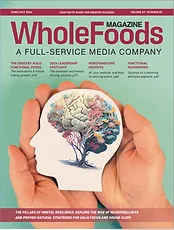
June/July 2026
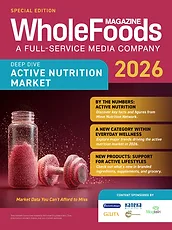
2026 Deep Dive Active Nutrition Market

2026 Deep Dive Cardiovascular Health