By Andrew Mandzy, Director of Strategic Insights, Nielsen, and Ronak Sheth, Chief Customer Officer, Label Insight
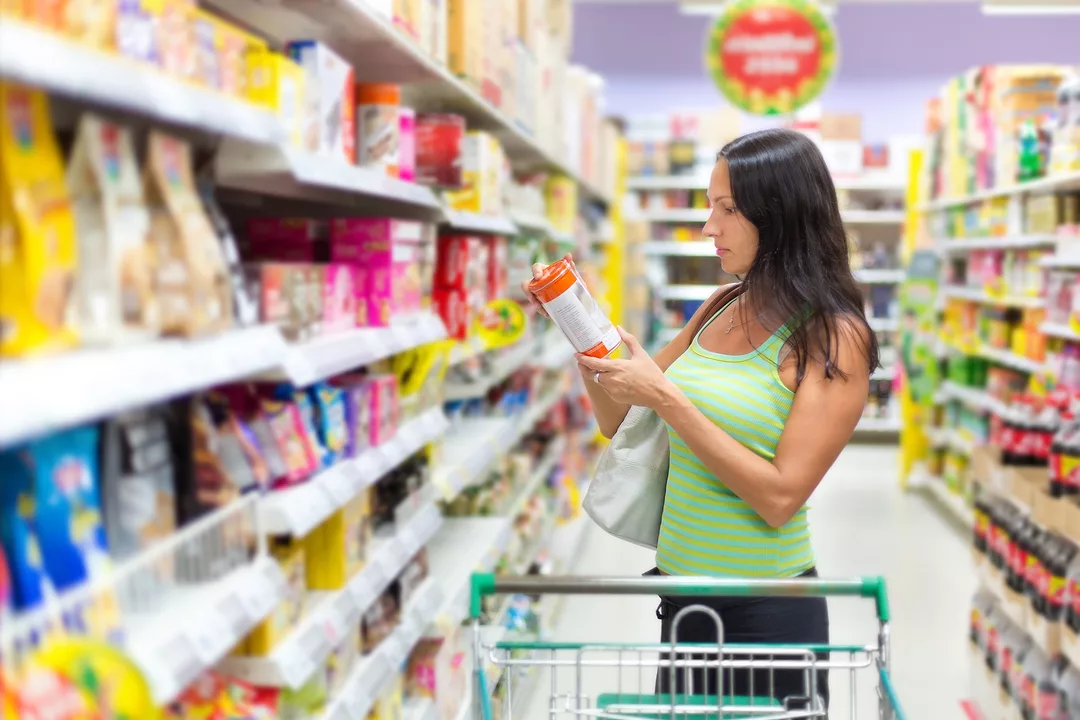
Over the last several years, consumers have demonstrated that they care about product transparency. A Label Insight survey found that 39% of shoppers would switch to buying brands that are more transparent. And according to Nielsen, 68% are willing to pay more for foods and drinks that do not contain undesirable ingredients. In fact, more than half of consumers believe that the absence of undesirable ingredients is more important than the inclusion of beneficial ones.
An example of this aversion to undesirable ingredients can be found by looking at the market growth of beverages with antioxidants.
Overall, Nielsen found that the beverage category grew by 1.9% in the last year. But within that category, dollar sales of beverages with antioxidants AND those free of artificial sweeteners rose 3.3%, and those with antioxidants and were also calorie free dropped 3.1%. The data shows that the absence of artificial sweeteners drove bigger revenue gains, supporting what consumers are telling us is important to them.
This change in consumer behavior has led fast-moving consumer goods (FMCG) manufacturers, retailers and government agencies to identify new ways to appeal to consumers’ health journeys and meet their demand for transparency. The largest manufacturers are responding by making moves such as:
Reducing sugar and removing artificial colors/flavors from products
Removing undesirable ingredients like artificial preservatives and chemicals
Using simple, easy to read ingredients and sustainable ingredient sourcing
Creating organic and natural options to complement existing portfolio brands
Starting venture capital funds to identify up and coming brands
However, the lack of and complexity of a suitable definition has led them to create their own personalized definitions, increasing criteria variation and feeding the consumer mandate for transparency. For example, consumers have gravitated to the term “natural” -- 51% of American households said natural is important. Yet the FDA said “from a food science perspective, it is difficult to define a food product that is ‘natural’ because the food has probably been processed and is no longer the product of the earth.”
Despite this, the “natural” claim is ill defined, at best. When you consider there are at least nine versions of “natural” represented on products, and the product counts in the hundreds, thousands, and sometimes tens of thousands, the industry itself -- perhaps eager to capture increased consumer demand for “natural” products -- has implemented the claim with lots of inconsistency. Is “pure” the same as “natural”? What is “naturally processed”? How can shoppers understand “natural” as different than “100% natural”?
The lack of clarity behind “natural” marketing claims is driving consumers to seek more information and broaden their selection criteria, pushing manufacturers and retailers to consider a more definitive marketing claim: clean label. There are a variety of macro issues consumers are using to personalize their criteria, and helping the consumer to organize the myriad of product attributes associated to each issue is key. In fact, shoppers are putting clean products in the basket more frequently than last year: 51% of all trips to U.S. food retailers included a clean label product.
Products with better-for-you claims such as clean are driving sales growth.
FMCG manufacturers are experiencing anywhere from 3 to 9% sales growth of clean label products, with smaller manufacturers on the higher end of the scale due to a stronger focus on clean label. In contrast, Nielsen data shows that conventional products are either growing at a much slower rate or losing market share.
Right now, clean label is poised to continue gaining market share, and not just in health-focused products. By absolute dollar growth, salty snacks and candy are the top two categories growing in clean label, respectively. When comparing percentage growth, clean label ice cream is #1 with 26.5% growth. This demonstrates that the consumer appetite for natural, healthy and clean products spans the entire grocery store and nearly every category.
How can the industry continue to meet consumer demand? It is evident that manufacturers and retailers need to communicate clearly with consumers. They are paying attention to the products they purchase and they want to be informed. Companies that understand these trends have the opportunity to capitalize on them and continue meeting consumers’ healthful preferences that we don’t anticipate slowing down in the foreseeable future.
Clean label is a spectrum, and manufacturers and retailers need to know where the shifts are happening if they don’t want to miss out.
 RSS
RSS