RSS
RSS
Quicklinks
WholeFoods Magazine

The Case for Third-Party Testing & Certifications for the CBD Industry
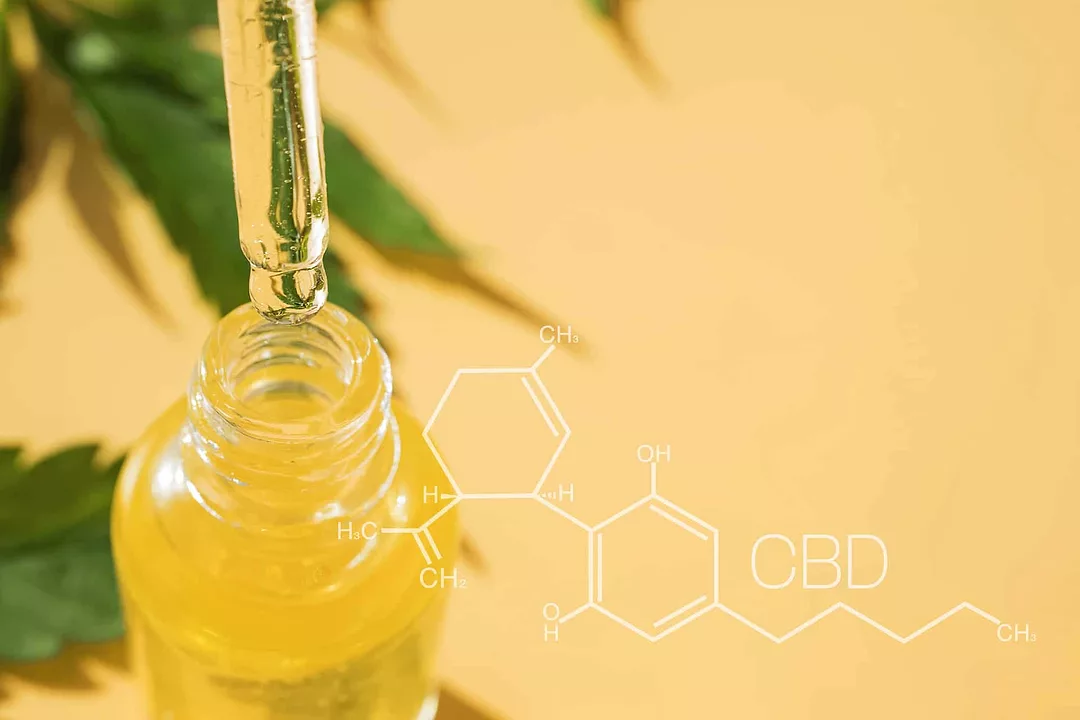
Due to recent quality and labeling issues, CBD products and their supply chains are under increased scrutiny and litigious duress. Products presented to consumers as CBD and not correctly labelled have had serious adverse events associated with their use, due to the presence of material amounts of THC. With this recent development, in addition to serious adverse events, the lack of supply chain control hurts the entire category, even though many “best in class” CBD supply chains take quality control very seriously.
Beyond the serious adverse events issues, and although these products are to be marketed without claims, many consumers are taking CBD products in an off-label way to attempt to deal with various ailments. A quick search online will provide details that position these products in a manner consistent with pharmaceutical marketing. As such, many consumers are genuinely using these products to assist with real health concerns, and certainly are not seeking out these products for any type of psychedelic experience. Some of these consumers are employed in vocations that involve drug testing, and a positive urine test for THC is a big issue for their employment status and their career. This extends far beyond health care workers and first responders, to those involved in the athletics, transportation, and heavy equipment industries. These are often the types of consumers that may use such products off label, as they often absorb a heavier physical workload in their line of daily employment activity.
These various factors once again demonstrate the need for third-party testing and related certification for the CBD industry. In terms of THC exposure in CBD products, there are specific limits set in most countries and although these allowances are for definitive amounts, they are reasonable. Many CBD supply chains have solid quality control and can produce CBD products and ingredients with little or no THC present within analytical detection limits. There are established testing methods from various reputable labs that allow for detection and quantification of THC in CBD products and matrices. These tests are relatively inexpensive, especially in light of the associated costs of legal action defense or the indirect but impactful cost of brand damage. Beyond the supply chain testing, third-party testing as part of a certification program provides that additional layer of customer transparency and trust and should be considered a risk-mitigation strategy alongside a marketing and technical checkpoint.
In summary, there are many cost-effective solutions available to the supply chain and the Tier 1 players will continue to seek them out to showcase excellence in the category.Due to recent quality and labeling issues, CBD products and their supply chains are under increased scrutiny and litigious duress. Products presented to consumers as CBD and not correctly labelled have had serious adverse events associated with their use, due to the presence of material amounts of THC. With this recent development, in addition to serious adverse events, the lack of supply chain control hurts the entire category, even though many “best in class” CBD supply chains take quality control very seriously.
Beyond the serious adverse events issues, and although these products are to be marketed without claims, many consumers are taking CBD products in an off-label way to attempt to deal with various ailments. A quick search online will provide details that position these products in a manner consistent with pharmaceutical marketing. As such, many consumers are genuinely using these products to assist with real health concerns, and certainly are not seeking out these products for any type of psychedelic experience. Some of these consumers are employed in vocations that involve drug testing, and a positive urine test for THC is a big issue for their employment status and their career. This extends far beyond health care workers and first responders, to those involved in the athletics, transportation, and heavy equipment industries. These are often the types of consumers that may use such products off label, as they often absorb a heavier physical workload in their line of daily employment activity.
These various factors once again demonstrate the need for third-party testing and related certification for the CBD industry. In terms of THC exposure in CBD products, there are specific limits set in most countries and although these allowances are for definitive amounts, they are reasonable. Many CBD supply chains have solid quality control and can produce CBD products and ingredients with little or no THC present within analytical detection limits. There are established testing methods from various reputable labs that allow for detection and quantification of THC in CBD products and matrices. These tests are relatively inexpensive, especially in light of the associated costs of legal action defense or the indirect but impactful cost of brand damage. Beyond the supply chain testing, third-party testing as part of a certification program provides that additional layer of customer transparency and trust and should be considered a risk-mitigation strategy alongside a marketing and technical checkpoint.
In summary, there are many cost-effective solutions available to the supply chain and the Tier 1 players will continue to seek them out to showcase excellence in the category.
Beyond the serious adverse events issues, and although these products are to be marketed without claims, many consumers are taking CBD products in an off-label way to attempt to deal with various ailments. A quick search online will provide details that position these products in a manner consistent with pharmaceutical marketing. As such, many consumers are genuinely using these products to assist with real health concerns, and certainly are not seeking out these products for any type of psychedelic experience. Some of these consumers are employed in vocations that involve drug testing, and a positive urine test for THC is a big issue for their employment status and their career. This extends far beyond health care workers and first responders, to those involved in the athletics, transportation, and heavy equipment industries. These are often the types of consumers that may use such products off label, as they often absorb a heavier physical workload in their line of daily employment activity.
These various factors once again demonstrate the need for third-party testing and related certification for the CBD industry. In terms of THC exposure in CBD products, there are specific limits set in most countries and although these allowances are for definitive amounts, they are reasonable. Many CBD supply chains have solid quality control and can produce CBD products and ingredients with little or no THC present within analytical detection limits. There are established testing methods from various reputable labs that allow for detection and quantification of THC in CBD products and matrices. These tests are relatively inexpensive, especially in light of the associated costs of legal action defense or the indirect but impactful cost of brand damage. Beyond the supply chain testing, third-party testing as part of a certification program provides that additional layer of customer transparency and trust and should be considered a risk-mitigation strategy alongside a marketing and technical checkpoint.
In summary, there are many cost-effective solutions available to the supply chain and the Tier 1 players will continue to seek them out to showcase excellence in the category.Due to recent quality and labeling issues, CBD products and their supply chains are under increased scrutiny and litigious duress. Products presented to consumers as CBD and not correctly labelled have had serious adverse events associated with their use, due to the presence of material amounts of THC. With this recent development, in addition to serious adverse events, the lack of supply chain control hurts the entire category, even though many “best in class” CBD supply chains take quality control very seriously.
Beyond the serious adverse events issues, and although these products are to be marketed without claims, many consumers are taking CBD products in an off-label way to attempt to deal with various ailments. A quick search online will provide details that position these products in a manner consistent with pharmaceutical marketing. As such, many consumers are genuinely using these products to assist with real health concerns, and certainly are not seeking out these products for any type of psychedelic experience. Some of these consumers are employed in vocations that involve drug testing, and a positive urine test for THC is a big issue for their employment status and their career. This extends far beyond health care workers and first responders, to those involved in the athletics, transportation, and heavy equipment industries. These are often the types of consumers that may use such products off label, as they often absorb a heavier physical workload in their line of daily employment activity.
These various factors once again demonstrate the need for third-party testing and related certification for the CBD industry. In terms of THC exposure in CBD products, there are specific limits set in most countries and although these allowances are for definitive amounts, they are reasonable. Many CBD supply chains have solid quality control and can produce CBD products and ingredients with little or no THC present within analytical detection limits. There are established testing methods from various reputable labs that allow for detection and quantification of THC in CBD products and matrices. These tests are relatively inexpensive, especially in light of the associated costs of legal action defense or the indirect but impactful cost of brand damage. Beyond the supply chain testing, third-party testing as part of a certification program provides that additional layer of customer transparency and trust and should be considered a risk-mitigation strategy alongside a marketing and technical checkpoint.
In summary, there are many cost-effective solutions available to the supply chain and the Tier 1 players will continue to seek them out to showcase excellence in the category.
Recommended For You
Latest Publication
June/July 2026
2026 Deep Dive Active Nutrition Market

2026 Deep Dive Cardiovascular Health
May 2026